

The Full Story
THE DYING ART OF BATIK
Explore the intricate art of Batik and its profound social impact with Batik Boutique. And uncover how tradition meets empowerment in each vibrant design.

Photo credits: Dreamstime
As a proud Perankan...
I am particularly drawn to this traditional craft, which serves as a poignant reminder of my cultural background and inspires my exploration into its transformative potential not only as a skilled technique but as a textile.
Batik, both an art and a craft, has captured the imagination of contemporary artists worldwide. Originating from ancient traditions, the process of decorating cloth using wax and dye has been practiced for centuries across Asia and beyond. The word "batik" itself stems from the Javanese word "tik," meaning to dot, reflecting the meticulous craftsmanship involved in the creation of these intricate designs.
Batik Boutique
Amidst the competitive landscape of globalisation, Batik Boutique emerges as a beacon of hope, preserving this dying art form while championing social change. Recognized in the World Economic Forum's '100 Corporate-Ready Social Enterprises' report, Batik Boutique embodies the ethos of sustainable fashion and community empowerment.
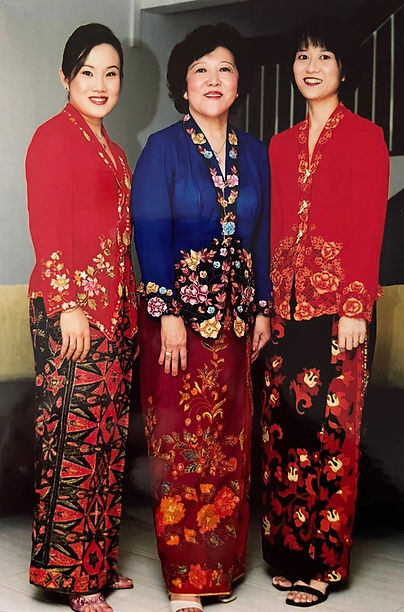
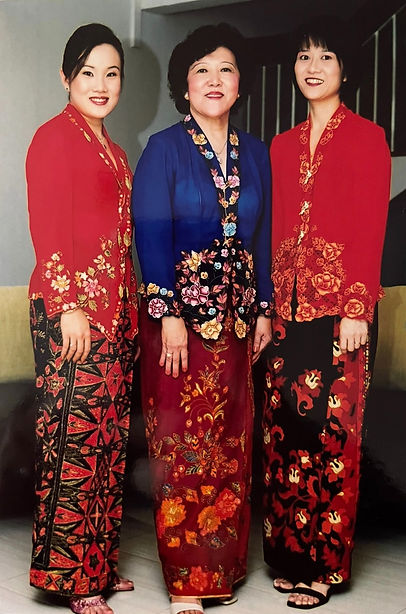
Traditional Peranakan Batik Sarong & Kebaya | Photo credits: Elizabeth Tay


Batik Boutique Artisans with CEO | Photo credits: Batik Boutique
Social Impact Focused
At the heart of Batik Boutique's mission lies a commitment to the United Nations Sustainable Development Goals, particularly focusing on poverty alleviation, gender equality, and economic growth. Through a closed-loop production process and equitable working conditions, the company empowers marginalised artisans, offering them skill development and financial prospects.
Batik Boutique's impact extends beyond economic empowerment
fostering a sense of social cohesion and inclusivity. Collaborative partnerships with marginalized communities ensure that every step of the production process is imbued with authenticity and cultural significance.
Led by founder and CEO, Amy Blair, Batik Boutique exemplifies a governance model rooted in transparency and collaboration. From the design of batik patterns to the making process itself, artisans from marginalised communities play a central role, contributing to a collective vision of positive social change.


Photo credits: Batik Boutique
As we celebrate and learn about the enduring legacy of Batik, let us embrace such initiatives from Batik Boutique while we have the opportunity to honour this unique cultural heritage while paving the way for a more inclusive and sustainable future. You can read more about Batik Boutique's initiatives and efforts here.


MEET THE
ARTISANS
04